




Eco Friendly Heating supplies leading electric underfloor heating brands, including Warmup.
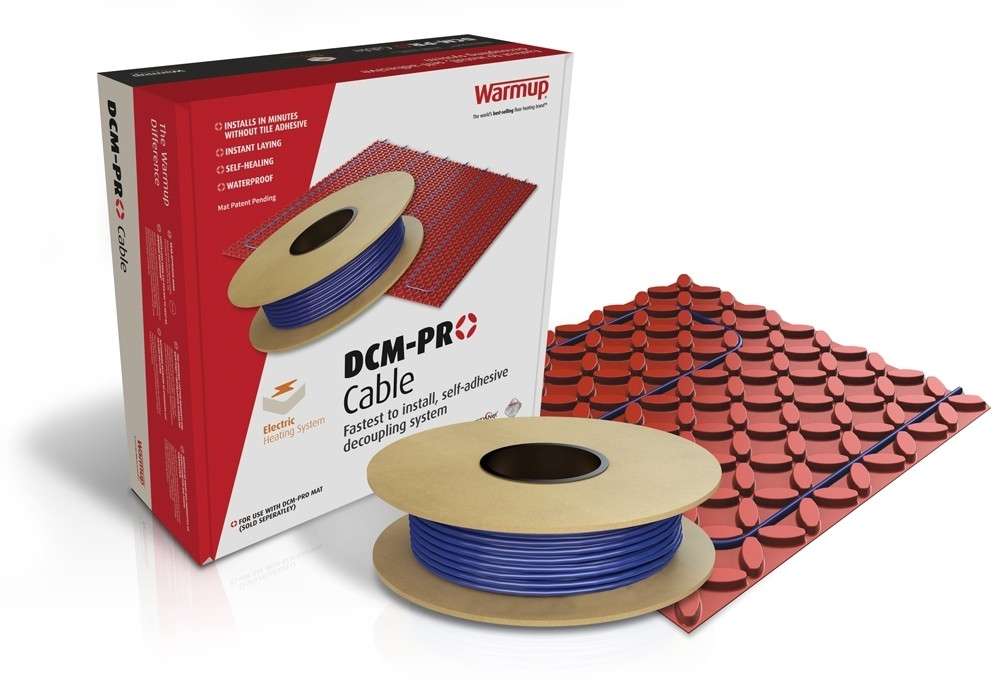
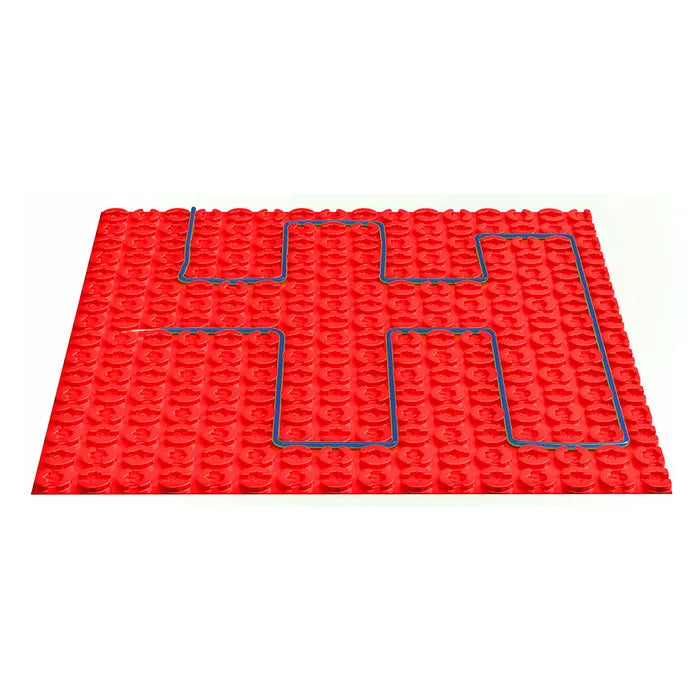
The DCM-PRO range from Warmup is designed to provide reliable underfloor heating together with excellent tile floor protection. It is used with either the DCM-PRO Peel-and-Stick or DCM-PRO Fleece-Backed decoupling membrane, helping reduce the risk of tiled floor movement affecting the finish above.
Two Heating Cable Options – Standard and Low Power
The DCM-PRO system offers flexible heat output through a choice of two heating cables, allowing you to tailor the system to the room, floor finish, insulation level, and available electrical load.
- Standard Wattage Cable: delivers an output range of 112.5W/m² to 225W/m², making it suitable for most standard tiled floor projects where stronger heat output or faster warm-up is required.
- Low Power Cable: delivers an output range of 41.3W/m² to 82.5W/m², making it ideal for highly insulated homes, low-load electrical supplies, and projects where a gentler, lower-energy heat output is more appropriate.
The low-power DCM-PRO option can also work well with floor finishes that have a higher overall resistance, with support for floor build-ups of up to 3.0 tog where system design allows.
Whichever option you choose, DCM-PRO gives you the benefits of easy installation, flexible heat output, and tile floor protection in one system.
Why Low-Power DCM-PRO Can Be a Smart Choice
In modern, highly insulated homes, very high-output underfloor heating is not always necessary. In properties built to strong energy-efficiency standards, the goal is often to maintain comfortable, stable floor warmth rather than deliver aggressive heat output.
The DCM-PRO Low Power Cable is designed for exactly this type of project, making it a practical choice for:
- Homes with low heat loss
- Passive House-style projects
- A-rated or very well-insulated properties
- Homes with lower available electrical load
- Projects aiming to maximise the benefit of solar PV or battery storage
Optimised for Efficient Modern Buildings
In highly insulated homes, underfloor heating often needs to provide gentle, even background warmth rather than high bursts of heat. The lower wattage cable helps support this by keeping floor temperatures comfortable without overheating the room.
- Gentle heat delivery: supports a more stable and comfortable floor temperature
- Reduced cycling: helps avoid the sharper on/off pattern associated with more powerful systems in low heat-loss spaces
- More tailored design: allows the heating system to better match the real needs of efficient buildings
Reducing Energy Waste
When you choose a lower-power system where appropriate, you are creating a heating design that is better matched to the building rather than simply choosing the highest output available.
This can offer several advantages:
- Lower peak demand: helps reduce electrical strain during operation
- Better compatibility with renewables: can work well alongside solar PV and battery storage
- Smarter control potential: when paired with a programmable thermostat, the system can maintain comfort with less unnecessary energy use
- More even comfort: a gentler output can help avoid floors feeling too hot too quickly in efficient rooms
Maximum Comfort, Minimum Waste
In well-insulated spaces, a high-output cable is not always the best answer. The DCM-PRO Low Power cable can provide a more even and controlled warmth across the floor surface, helping deliver that sought-after warm-underfoot feel while still supporting the energy-saving goals of an eco-conscious build.
Who DCM-PRO Is Best For
DCM-PRO is especially well suited to:
- Tiled floors where decoupling protection is important
- Renovation projects where movement in the subfloor may affect tiles
- Bathrooms, kitchens, hallways, and open-plan tiled areas
- Standard homes needing a higher output cable
- Low-energy homes where a lower output cable is a better fit
For a full overview of where this system fits within the wider market, see our Electric Underfloor Heating Systems Collection Guide.
Helpful Guides
If you are comparing decoupling membrane heating systems or planning a tiled floor build-up, these pages may help:


