




Infrared Heating Panels: The Complete Eco Guide for Warm, Efficient Spaces
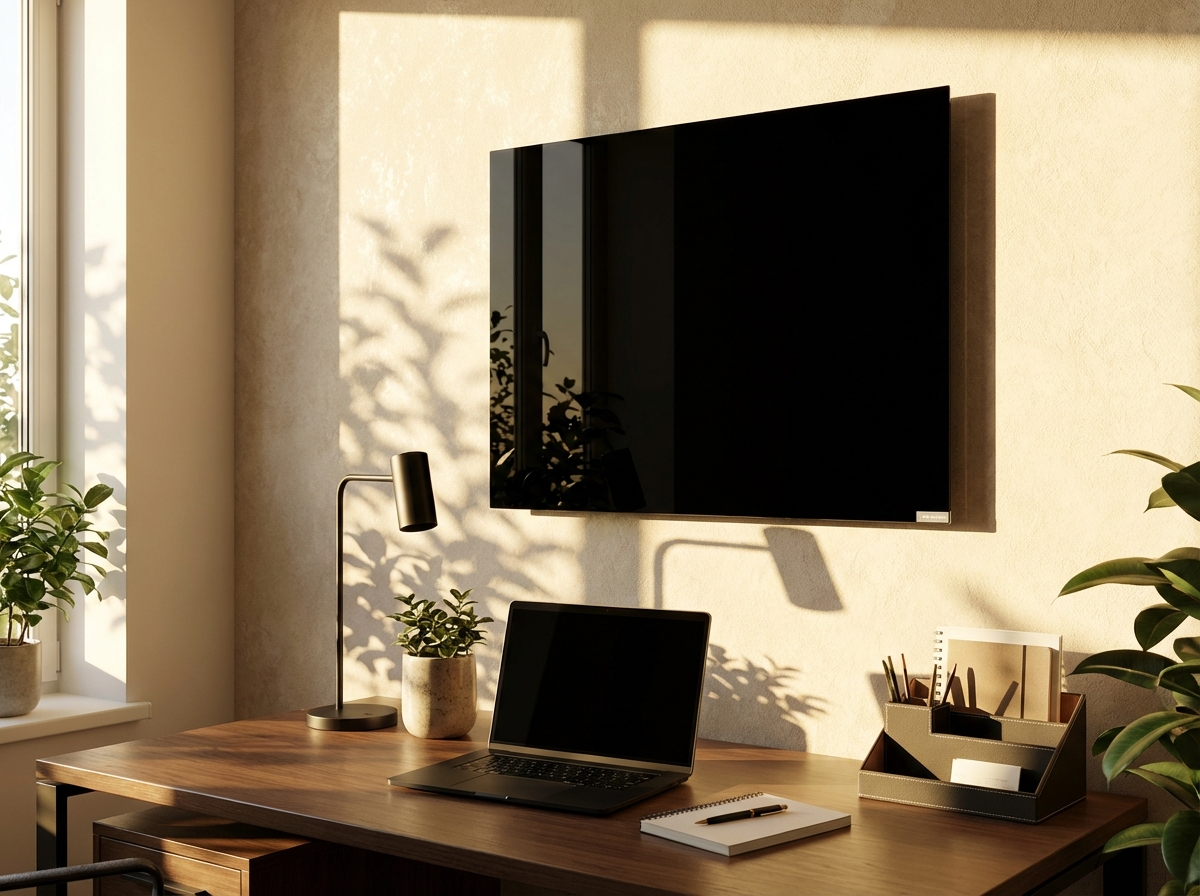
A complete buyer’s guide to infrared heating panels for homes, offices, churches and commercial interiors — including sizing, smart controls, running-cost planning, design options, comparison tables, product suggestions and buyer FAQs.
Forget what you think you know about heating your home or workplace. Traditional systems often waste energy by warming large volumes of air before you feel properly comfortable. Infrared heating panels work differently, delivering direct radiant warmth to people, walls and surfaces for a cleaner, steadier heat feel.
For buyers looking for energy efficient heating, lower waste, quieter operation and a more design-friendly alternative to bulky radiators, infrared panels can be a very attractive option. They are especially useful where room-by-room zoning matters, where wall space is limited, or where you want warmth without the air movement associated with fan and convection heating.
Quick Links
- What are infrared panels?
- Popular infrared panel products
- How infrared heating works
- Eco and cost benefits
- Best spaces for infrared panels
- Sizing and panel selection
- Thermostats and smart controls
- Infrared heating usage calculator
- Infrared vs conventional heating
- Design and style options
- Design and installation support
- Buyer FAQs
Infrared Heating Guide
What Is Infrared Heating?
Buying Genuine Infrared Heating
Infrared Panel Heater User Guide
Bathroom Heaters User Guide
Portable Heaters User Guide
Carbon Neutral Heating Guide
What Are Infrared Heating Panels?
Infrared heating panels are slim electric heaters that warm people, objects and surfaces directly rather than relying mainly on heating the air first. That gives infrared a very different comfort feel compared with convection heaters, fan heaters or bulky radiators.
They are available in a wide range of styles, including clean white wall panels, ceiling-mounted panels, mirrored infrared heaters, coloured designer panels and bespoke picture heaters. That flexibility makes them suitable for homes, offices, treatment rooms, churches, hospitality spaces and design-led interiors.
Infrared panels are often strongest when you want quiet radiant comfort, cleaner aesthetics and better zoning potential than traditional heating can easily offer.
Popular Infrared Heating Products to Compare
Below are some useful infrared heating options for buyers comparing size, style and use case.
A strong example of slim radiant heating for buyers wanting a discreet, modern infrared panel look.
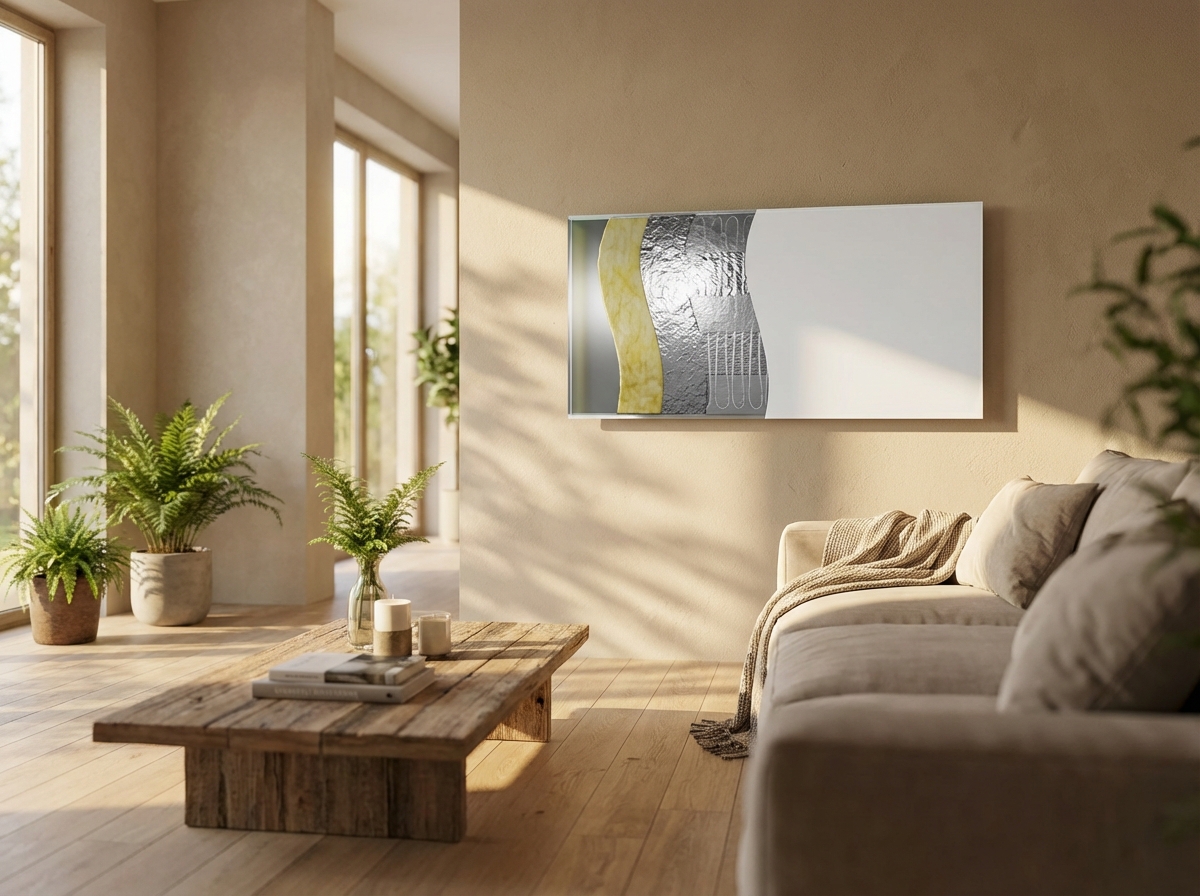
Ideal where buyers want infrared heating to work as part of the room design rather than disappear into it.
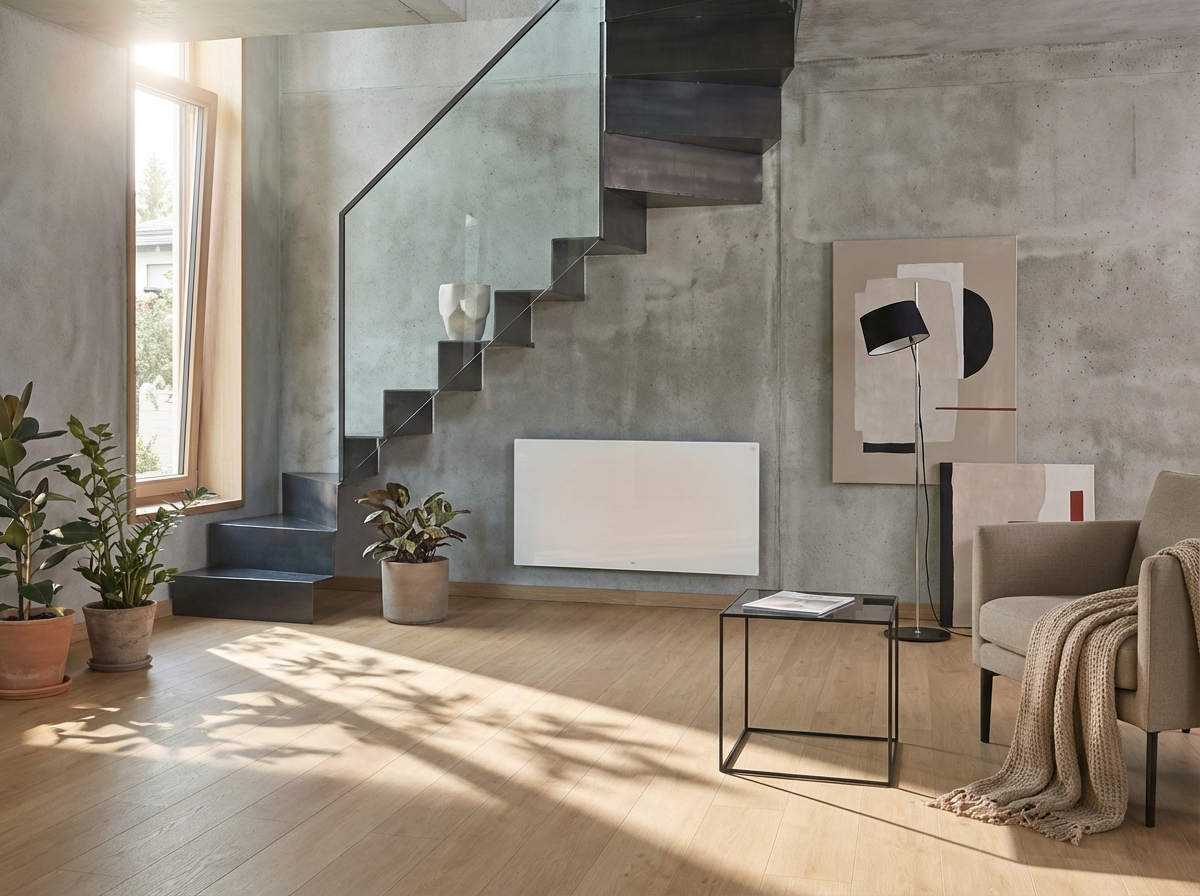
A practical panel choice for home and workplace projects where clean radiant heating is the priority.
How Infrared Heating Works

Infrared heating is often compared to the warmth of the sun. Instead of mainly heating the air, the panels emit radiant heat that warms surfaces and people directly. That is why many buyers describe infrared comfort as feeling more natural and less stuffy than convection heating.
Infrared heating can be especially attractive where maintaining even warmth is difficult, such as rooms with higher ceilings, intermittent use patterns or layouts where conventional warm-air movement is not especially effective.
How Infrared Comfort Works
Heat travels outward instead of relying first on warming the whole room air volume.
Walls, furniture and people warm directly in the radiant zone.
Less draft and less dependence on strong moving warm air.
Zoning and scheduling help keep the system practical and economical.
For a deeper explanation of how radiant heat behaves, see our Infrared Heating Guide.
Eco and Cost Benefits of Infrared Heating Panels
Going greener does not need to mean giving up comfort. Infrared panels are attractive to eco-aware buyers because they can reduce wasted heating energy and support a more targeted room-by-room heating approach.
- less wasted energy heating unused air volume
- strong potential for zoning rooms individually
- very useful when paired with smart controls
- no onsite combustion emissions
- clean, quiet operation in occupied spaces
Actual savings depend on insulation, controls, room use and what the panels are replacing. The practical strength of infrared is that it can be used more intelligently, especially where targeted heating beats whole-building blanket heating.
Best Spaces for Infrared Heating Panels
Infrared heating panels work across a surprisingly wide range of spaces. Their slim design and flexible mounting options make them suitable for both new projects and retrofits.
| Space Type | Why Infrared Can Work Well | Typical Panel Style |
|---|---|---|
| Bedrooms | Quiet operation and clean wall or ceiling heating | White ceiling or wall panel |
| Living rooms | Targeted comfort with less visible clutter than bulky radiators | Designer panel, picture panel or discreet white panel |
| Home offices | Fast perceived warmth and strong room-by-room control | Wall panel or ceiling panel |
| Bathrooms | Useful where mirror heating or bathroom-safe radiant options are preferred | Mirror panel or bathroom-rated heater |
| Churches and halls | Can heat occupied zones without trying to warm the full air volume conventionally | Commercial or higher-level infrared systems |
| Cafés and commercial interiors | Combines comfort, aesthetics and targeted overhead warmth | Designer or ceiling-suspended infrared |
For commercial and higher-ceiling applications, also compare the wider commercial infrared heating options and church and hall heating collection.
Sizing and Panel Selection
Choosing the right size and control strategy is one of the biggest factors affecting whether an infrared setup feels excellent or merely “fine”. Guesswork is tempting. It is also where heating plans quietly go wrong.
Choosing the Right Size
Selecting the correct panel size is crucial. Too small and the space may never feel fully comfortable. Too large and energy can be wasted. Room dimensions, ceiling height, insulation quality and glazing all matter.
For a more detailed sizing approach, also refer to your dedicated wattage page and the Buying Genuine Infrared Heating guide.
In well-insulated spaces, buyers can often use a lower wattage per cubic metre than in older or draughtier rooms. Ceiling height matters as well — not just floor area.
Thermostats and Smart Controls
Pairing panels with smart thermostats offers much better control and can improve efficiency further. Scheduling, zoning and remote control all help reduce wasted heating hours and keep comfort more consistent.
Good controls are not just about convenience. They are often one of the biggest factors in whether buyers actually see the efficiency and comfort benefits they expected from infrared heating.

Good controls help infrared heating feel more efficient, more responsive and easier to manage room by room.

Useful if you want stronger control logic and are comparing smart controls across infrared and underfloor heating projects.
Good controls are not an optional extra if you want the system to feel genuinely efficient. They are often where a good infrared setup becomes a great one.
Infrared Heating Usage Calculator
Use this calculator to estimate a sensible starting wattage for a room and the maximum running cost of that output. This is a planning tool, not a substitute for a full project design, but it is very useful for shortlisting panel sizes and comparing usage patterns.
Planning note: this calculator shows a maximum scenario based on 4 hours of use per day over 30 days. Real costs vary with insulation, control settings, occupancy and weather.
Infrared Heating Panels vs Conventional Heating
| Feature | Infrared Heating Panels | Conventional Air-Based Heating |
|---|---|---|
| How heat is delivered | Directly to people and surfaces | Mainly through warming the air first |
| Comfort feel | Often feels more targeted and natural | Can create hot and cold spots |
| Air movement | Minimal | Usually greater air circulation |
| Zoning potential | Strong when paired with controls | Depends more on wider system design |
| Visual impact | Can be slim, ceiling mounted, mirrored or decorative | Often bulkier visible heating points |
| Best strength | Targeted efficient room-by-room warmth | Broad general air heating |
Design and Style Options
One of the strongest conversion advantages of infrared panels is that buyers are not stuck with one look. Infrared can be functional, discreet or highly decorative depending on the project.

Ideal where you want heating to blend into the design scheme as artwork rather than as a visible utility product.

A useful choice for buyers who want mirror or glass-fronted radiant heating with a stronger design emphasis.

A strong commercial-style option where design and overhead radiant performance both matter.
Our Expert Design and Installation Support
Once the right panels are selected, the next step is making sure the layout, controls and mounting positions are all working together properly. That is where expert design support can save a lot of trial and error.
Nationwide Installation Thinking
Whether you are heating a single room, upgrading an office, planning a church project or comparing a full-home low-carbon heating approach, a well-designed infrared layout matters. The right panel in the wrong position is still the wrong answer.
Book Your Free Consultation
Ready to transform your space with eco-friendly heating? Our team can help you compare panel styles, think through sizing and discuss the best installation route for your project. Contact us to arrange advice and take the next step toward a warmer, more efficient space.
If your project includes flooring changes as well as heating changes, it can also be worth comparing whether electric underfloor heating makes more sense in some rooms while infrared panels suit others.
Suggested Products by Project Type

Start here if you want to compare the wider range of panel sizes, finishes and installation styles.

Ideal where you want to heat occupied zones more intelligently without relying on full air-volume heating.
A strong fit for cafés, workspaces and larger interiors where targeted overhead radiant heat can reduce waste.
Buyer FAQs
Are infrared heating panels cheaper to run than traditional heating?
They can be very cost-effective when sized correctly and used with good controls, especially where room-by-room zoning makes more sense than heating the whole property in one blanket pattern.
Do infrared panels heat the whole room?
They can heat rooms very effectively when the wattage, placement and room characteristics are right. They do so differently from convection systems by warming surfaces and occupants directly.
Are infrared heating panels eco-friendly?
They can support a lower-waste, lower-carbon heating strategy because they allow more targeted heating and produce no onsite combustion emissions. Their eco performance still depends on how the system is designed and powered.
What size infrared panel do I need?
That depends on room dimensions, ceiling height, insulation, glazing and how the room is used. A proper sizing approach is much better than guessing based only on floor area.
Do infrared panels work with smart thermostats?
Yes. Smart thermostats and zoned controls are often one of the best ways to improve comfort, scheduling and energy efficiency.
Can infrared panels be installed on ceilings as well as walls?
Yes. Many panels can be wall mounted or ceiling mounted depending on the room layout and the model design.
Are infrared panels good for offices and commercial interiors?
Yes. They can be especially effective where quiet operation, aesthetics and targeted radiant warmth matter.
Should I choose infrared panels or underfloor heating?
That depends on the room, floor build-up and heating style you want. Infrared is often attractive for easier retrofit and targeted warmth, while underfloor heating is often attractive for invisible whole-room comfort.
Are infrared panels suitable for bathrooms?
Yes, when you choose the right bathroom-safe infrared product for the zone and installation type. Mirror heaters and selected bathroom-rated solutions are especially popular.
Can infrared heating work well with solar power?
Yes. Infrared electric heating can pair very well with solar PV and renewable electricity strategies, especially where good controls help you heat rooms more selectively.
Ready to Buy?
Start with the right panel type, the right wattage and the right control strategy. Explore the full infrared heating panels collection, compare smarter buying guidance in the Buying Genuine Infrared Heating guide, and if you want help with design or installation planning, contact us for advice.
Quick Quote
Fill out the form below and we'll get back to you as soon as we can.