




High Efficiency Heating Systems: Cost & Efficiency Guide
Discover the real cost and efficiency of modern high-efficiency heating systems, including infrared heating, electric underfloor heating and smart controls. Practical UK guide for buyers comparing comfort, running costs and long-term value.
High-efficiency heating systems are no longer a niche upgrade. They are becoming a practical choice for homes, offices and commercial spaces seeking better comfort, more precise control and reduced energy waste. As electricity grids become greener and smart controls become more accessible, modern electric heating solutions often deliver stronger long-term value than buyers expect.
Understanding how cost, efficiency and technology work together helps you make better decisions instead of focusing only on upfront price. A heating system is not just a product choice. It is a planning choice, a control choice and, very often, an insulation choice too.
If you want to assess room heat demand before choosing a system, use the Heat Loss Calculator. If you are comparing floor systems, also review the Electric Underfloor Heating Guide and the Infrared Heating Guide.
Quick Links
What Defines a High-Efficiency Heating System?
A high-efficiency heating system converts a larger proportion of energy into useful warmth where you actually need it. In practice, this can come from direct radiant heat, even floor heat distribution, accurate zoning and reducing heat loss into the building structure.
This usually includes a mix of:
- direct radiant heating such as infrared panels
- even heat distribution such as electric underfloor heating
- smart thermostats and room-by-room zoning
- insulation and underlay optimisation
- correct system sizing for the space
The best results usually come from better heat delivery, smarter zoning and reduced wasted heating hours, not from chasing one headline claim about efficiency.
Types of High-Efficiency Heating Systems
Simple Path to Better Heating Efficiency
Check room size, floor finish, insulation and how often the space is used.
Compare infrared heating, heating mats, loose wire, foil and in-screed systems.
Smart thermostats and zoning often make the biggest practical difference.
Make sure the system suits the floor structure and expected usage pattern.
Infrared Heating Panels
Infrared panels warm people and surfaces directly, reducing the amount of energy spent mainly heating the surrounding air. They are especially useful in:
- offices
- living rooms and bedrooms
- garden rooms and studios
- churches and halls with higher ceilings
Useful next pages: Infrared Heating Guide, Infrared Panel Heater User Guide, Buying Genuine Infrared Heating.
Electric Underfloor Heating
Electric underfloor heating provides steady, evenly distributed warmth from the ground up. It works particularly well in bathrooms, kitchens, renovated spaces and projects where floor comfort is a major priority.
- heating mats for regular-shaped tiled rooms
- loose wire for awkward or irregular layouts
- foil systems for floating floors
- carbon film systems for selected floating floor builds
- in-screed systems for concrete floors and new builds
Useful next pages: Electric Underfloor Heating Systems Collection Guide, Installation Guide, Underfloor Heating Compatibility Guide.
Heat Pumps and Hybrid Systems
Heat pumps can be efficient, but they often involve greater installation complexity and higher upfront costs. Many buyers comparing retrofit-friendly options find that infrared heating or electric underfloor heating paired with good controls provides a more straightforward route to improved comfort and lower wasted energy.
Guides and Systems Worth Exploring
These are some of the most useful pages for buyers comparing efficient heating systems, controls and floor build-up options.

Compare StickyMat and EcoFloor systems for tiled rooms, bathrooms, kitchens and regular-shaped spaces.

One of the most important pages if you want better efficiency through zoning, scheduling and smarter control.

A strong starting point for comparing radiant heating efficiency, room suitability and zoning logic.
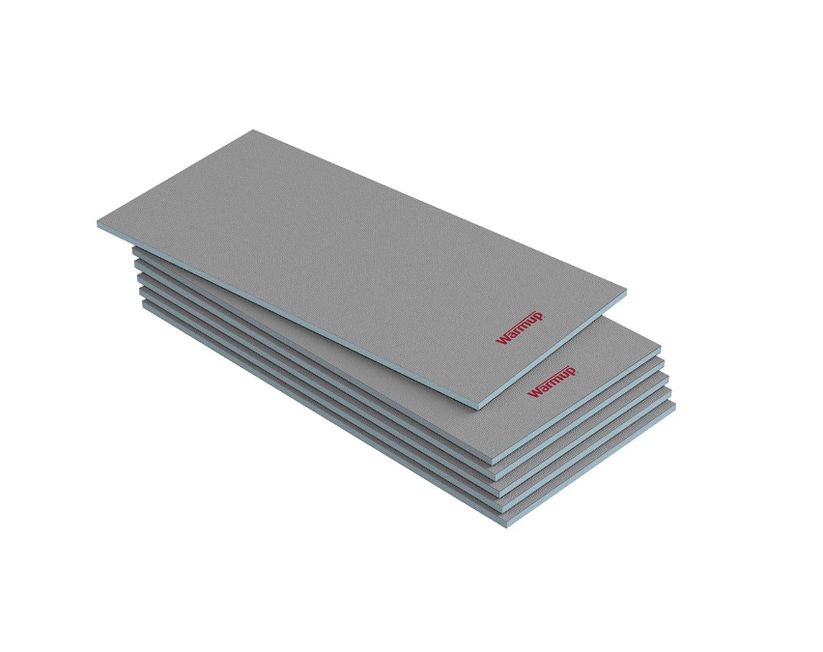
Insulation boards can make a major difference to warm-up times and reduce heat loss into the subfloor.
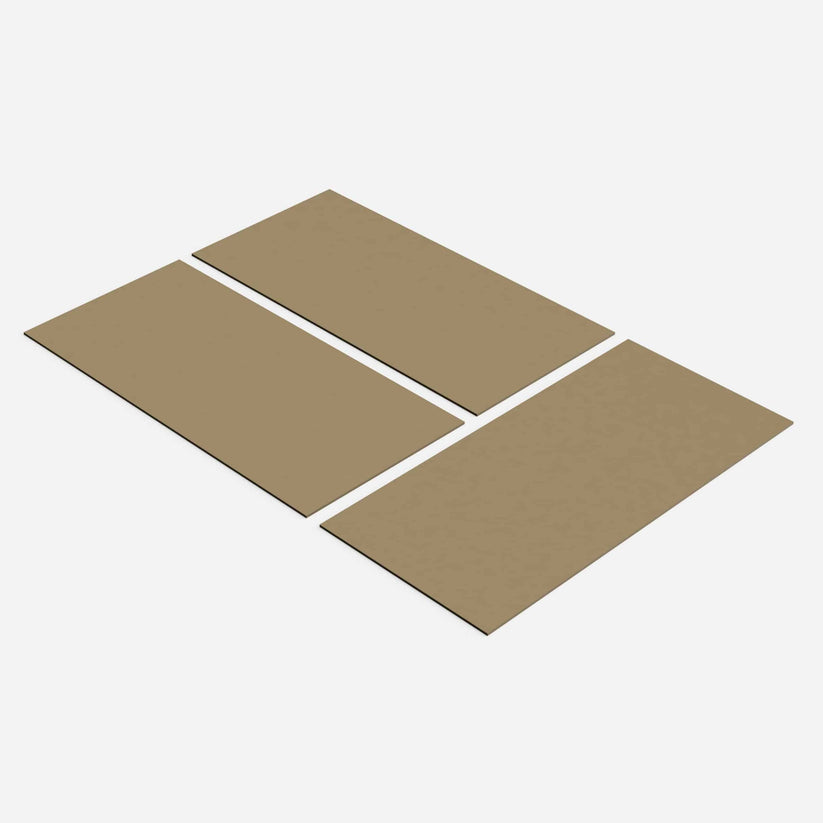
Useful where build-up, tile support and retrofit floor preparation affect performance and finish quality.
Cost Structure of High-Efficiency Heating
Upfront Costs
Electric infrared and underfloor heating systems often involve lower installation complexity than some wet central heating or geothermal options, especially in retrofit projects. Upfront cost still depends on room size, wiring, controls, floor preparation and whether insulation or overlay products are needed.
Running Costs
The long-term value usually comes from heating the right spaces at the right times rather than warming the whole property unnecessarily. Better running cost performance often comes from:
- zonal heating rather than whole-house heating
- reduced idle energy use
- smart scheduling
- better floor insulation and build-up choices
- pairing with renewable electricity where possible
Smart Controls and Data-Driven Efficiency
Modern high-efficiency heating depends heavily on thermostats and automation. Smart controls allow:
- room-by-room zoning
- timed schedules
- remote app management
- energy usage monitoring
- reduced heating of unused spaces
For many projects, controls are the quiet hero of the system. Not glamorous, but very good at stopping you from heating an empty room like it owes you money.
Useful next page: Thermostats and Controls Guide.
Installation and Planning Factors That Affect Efficiency
Efficiency depends on much more than the heater itself. The biggest practical factors are often:
- insulation quality
- ceiling height
- floor type and floor finish
- occupancy patterns
- correct system sizing
- good installation planning
Two correctly sized infrared panels or a properly insulated underfloor build-up will usually outperform a poorly planned “bigger” solution.
Electric Underfloor Heating Installation Guide
Learn how electric underfloor heating is installed, including floor build-up, insulation requirements and wiring considerations.
Insulation Boards Guide
Reduce heat loss into the subfloor and improve heating performance with correct insulation.
Overlay Boards Guide
Ideal for retrofit projects where heating systems are installed over existing floors.
Floor Compatibility Guide
Understand which floor finishes work best with electric heating systems and compatible flooring choices.
Parador Underlay Guide
Useful when underlay choice affects heat transfer, acoustics and long-term flooring performance.
Best Electric Underfloor Heating Systems Guide
Compare the main electric heating system types and choose the best fit for your floor build-up and room use.
Running Cost Guides
If you are comparing efficiency in more detail, these system-specific running cost guides are often the best next step.
Heating Mats Running Costs
Real-world cost examples and buying advice for heating mats in tiled rooms.
Foil Heating Running Costs
Understand running costs and build-up considerations for laminate, wood, vinyl and carpet floors.
In-Screed Running Costs
Useful for new builds, concrete floors and longer-term thermal mass projects.
Carbon Film Running Costs
Compare expected costs and room examples for carbon film systems under floating floors.
DCM-PRO Running Costs
Helpful where decoupling systems and tiled floor performance are part of the buying decision.
Loose Wire Running Costs
Useful for awkward layouts and projects where flexible cable spacing is needed.
High-Efficiency Heating Comparison Table
| System | Best For | Efficiency Strength | Watch Out For |
|---|---|---|---|
| Heating Mats | Bathrooms, kitchens, regular tiled rooms | Fast warm-up and even floor heat | Needs correct insulation and floor prep |
| Loose Wire | Irregular layouts and awkward spaces | Flexible coverage | Can take longer to install |
| Foil Heating | Floating floors such as laminate and vinyl | Low build height and clean installation | Floor compatibility matters |
| Carbon Film | Selected floating floor projects | Low-profile radiant floor heating | Must be matched correctly to floor type |
| In-Screed Heating | New builds, extensions, concrete floors | Stable warmth and suited to planned projects | Less suitable for simple retrofit jobs |
| Infrared Panels | Zoned spaces, offices, living rooms | Direct radiant warmth and strong zoning potential | Correct placement and sizing are vital |
| Smart Thermostats | Almost all efficient electric systems | Reduces wasted heating hours | Poor setup limits the benefit |
Frequently Asked Questions
What is the most efficient electric heating system?
There is no single answer for every space. Infrared panels and electric underfloor heating are both strong options because they can deliver targeted warmth and reduce wasted heating. The best result depends on insulation, room use, controls and correct system sizing.
Are high-efficiency heating systems expensive to install?
Some systems cost more upfront, but electric infrared and underfloor heating often involve lower installation complexity than wet central heating or geothermal options, particularly in retrofit spaces.
Do smart thermostats really reduce energy use?
Yes. Zoning and scheduling can significantly reduce idle heating and unnecessary energy consumption. This is why smart controls are often one of the best-value upgrades in an efficient heating plan.
Can solar panels help offset electric heating running costs?
Yes. Solar electricity can help offset heating demand, reducing carbon impact and improving long-term running cost performance for electric heating systems.
Is infrared heating suitable for offices?
Yes. Infrared panels are popular in offices because they operate silently, provide fast radiant warmth and work well with zoned heating strategies.
Does insulation make a big difference to heating efficiency?
Absolutely. Good insulation, underlay and floor build-up choices can improve warm-up times, reduce heat loss and help any electric heating system perform more effectively.
Which underfloor heating system is best for tiled floors?
Heating mats and DCM-PRO systems are often strong choices for tiled floors. The best option depends on room shape, build-up needs, subfloor condition and installation method.
Which system is better for floating laminate or vinyl floors?
Foil heating and some carbon film systems are often better suited to floating floors, but compatibility depends on the exact floor product and the build-up specification.
Ready to Improve Heating Efficiency?
Start with the guide that best matches your project. Compare floor heating systems in the Electric Underfloor Heating Systems Collection Guide, explore zoned radiant options in the Infrared Heating Guide, or improve control strategy in the Thermostats and Controls Guide.
Quick Quote
Fill out the form below and we'll get back to you as soon as we can.